

Why We Need Sustainable Construction
)
Building has always reflected civilization's priorities, yet the industry has historically neglected its environmental impact and human factors. The unbridled exploitation of natural resources, urban sprawl, poor working conditions, and inadequate living standards all demand urgent transformation. This shift encompasses sobriety in resource consumption, circularity in materials, respect for workers, resilient urban planning, and inclusive access to healthy housing for all.
Key Challenges- Environmental Impact: Buildings generate 40% of global greenhouse gas emissions. Sustainable construction aims to reduce this through eco-friendly materials, improved energy efficiency, and renewable energy adoption.
- Resource Management: The industry must embrace reuse, recycling, and waste reduction to preserve the planet's finite resources. Sustainable buildings are designed for longevity, reducing frequent rebuilding needs.
- Occupant Wellbeing: Poorly maintained housing harbours pathogens including moulds, bacteria, and volatile organic compounds. Sustainable construction prioritises thermal and acoustic insulation, air quality, and natural lighting.
- Regulatory Compliance: Standards like LEED and BREEAM are becoming essential benchmarks for sustainable practice.
With global population surpassing 8 billion, cities now generate over 70% of greenhouse gas emissions while consuming 60% of energy and natural resources. Urbanisation demands faster, more productive construction methods alongside improved infrastructure for waste management, energy supply, and transport. The goal is creating resilient, adaptable cities prepared for climate change.
Sustainable SolutionsLightweight Construction: Unlike traditional solid-wall building, lightweight construction uses structural frameworks of wood, metal, or concrete with attached façade systems and non-load-bearing partitions. This approach reduces environmental impact while improving performance.
Off-Site and Prefabrication: Factory-based manufacturing offers advantages in speed, productivity, cost, and ease of conversion or dismantling—critical for regions facing housing shortages or labour scarcity.
Timber Construction: Wood is increasingly used for new builds and renovations, from individual homes to schools and office towers.
Construction Chemicals: Innovation in bonding, sealing, and finishing materials helps reduce energy consumption and cement's carbon footprint while promoting circular economy principles.
Renovation as PriorityFour global case studies illustrate successful sustainable renovation:
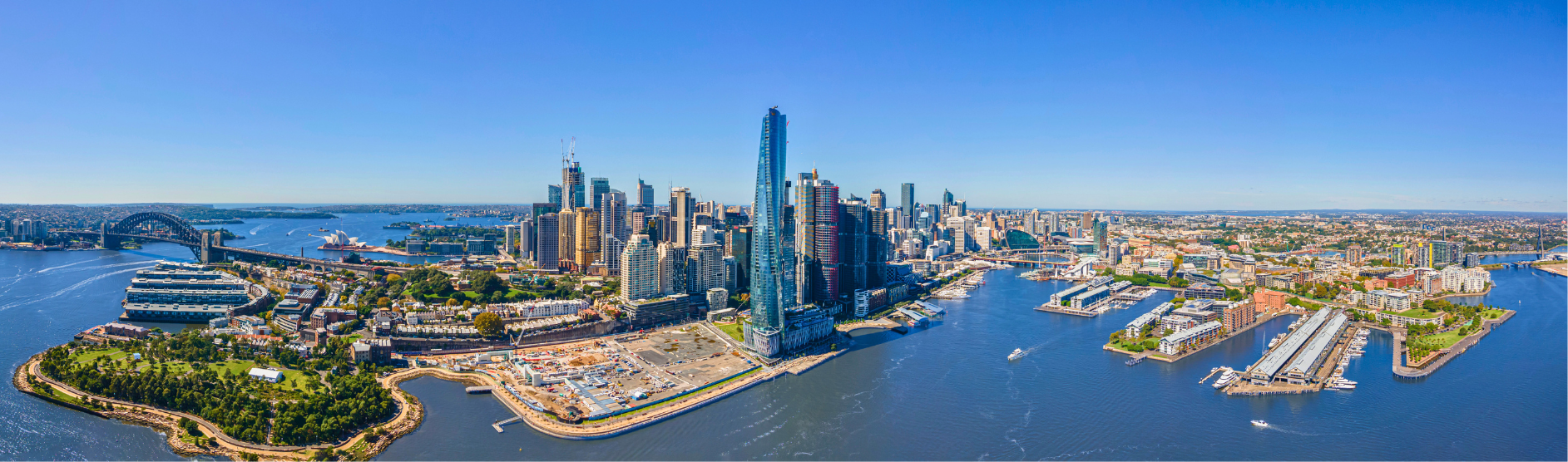
- Quay Quarter Tower, Sydney: High-performance glazing and sun shading reduce air-conditioning energy while improving thermal comfort
- Grand Parc, Bordeaux: Approaching zero carbon through geothermal and renewable energy
- Kleiburg, Amsterdam: Prioritised resident wellbeing with improved insulation and resident participation
- Citic Square, Shanghai: Optimised natural light and ventilation for better energy balance
Technologies including AI, BIM, digital twins, and IoT are reshaping construction. Digital models guide building design, while 3D scanning enables new site understanding. Smart metering and home automation optimise energy consumption, improve safety, and facilitate long-term maintenance.
Key Statistics- 50% of annual natural resource consumption comes from construction
- 40% of CO2 emissions are generated by the building sector
- 70% of greenhouse gas emissions originate from cities
- 51.1% of EU buildings are rated D to G for energy performance; only 2.7% achieve an A rating
- 5–11% price premium for highly energy-efficient properties
Sustainable construction requires collaboration among architects, builders, material manufacturers, craftspeople, property owners, investors, local officials, financiers, certification bodies, and end users. Without determined private and public action, meaningful progress toward a sustainable built environment remains unachievable.
Read full article: WHY WE NEED SUSTAINABLE CONSTRUCTION?